FAQs2024-06-21T06:05:11+00:00

Top Thread Milling Insert Suppliers for Global Buyers?

Global buyers are reassessing Thread Milling Insert suppliers as precision manufacturing becomes more competitive and less forgiving. The global cutting tools market was valued at approximately USD 25 billion in 2023, according to Grand View Research’s Cutting Tools Market report. Its projected growth reflects rising demand from automotive, aerospace, medical, and general engineering manufacturers.

Thread milling inserts support controlled threads in steel, stainless steel, cast iron, titanium, and hardened alloys. Their value depends on more than insert price. Geometry, carbide grade, coating technology, dimensional consistency, and technical support can directly affect tool life and rejection rates. The ISO 13399 standard also strengthens the need for accurate product data and consistent technical descriptions across international supply chains.

A reliable supplier should provide clear thread profiles, compatible cutter specifications, application charts, and traceable quality documentation. Kennametal, Sandvik Coromant, Mitsubishi Materials, ISCAR, and other established manufacturers often publish detailed machining recommendations. However, global buyers should verify local availability, lead times, minimum order quantities, and after-sales support before choosing a brand.

No supplier wins every application. A high-performance coating may perform well in titanium but disappoint in abrasive cast iron. That detail matters.

This guide compares leading Thread Milling Insert suppliers through practical criteria, including product range, material expertise, manufacturing consistency, delivery capability, and technical responsiveness. The ranking cannot replace shop-floor trials. Cutting data, machine rigidity, coolant delivery, and operator experience still influence results. Buyers should treat supplier claims carefully, request sample testing, and review independent evidence before making a long-term procurement decision.
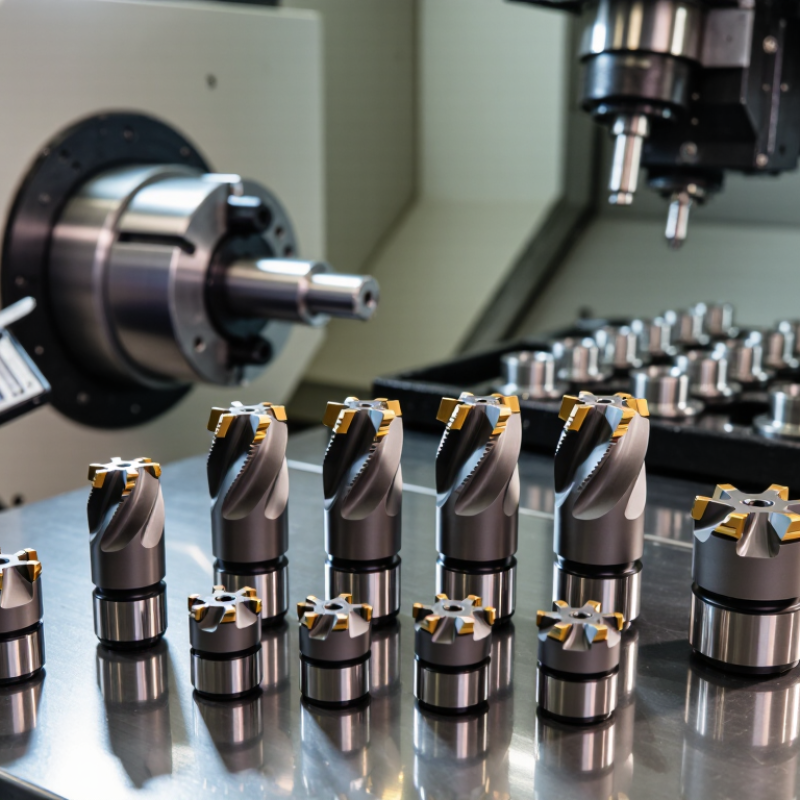
Top Thread Milling Insert Suppliers for Global Buyers?

What Thread Milling Inserts Are and Why Global Buyers Need Them

Top Thread Milling Insert Suppliers for Global Buyers?

Thread milling inserts are replaceable cutting edges used to produce internal or external threads through helical interpolation. Unlike a fixed tap, one cutter can often machine several diameters with different programs. This matters for global buyers managing mixed orders, blind holes, or expensive materials such as stainless steel and titanium. The process also reduces the risk of a broken tool damaging a finished component.

Demand is linked to wider machining investment. MarketsandMarkets reported that the global metal cutting tools market was valued at about USD 24.7 billion in 2024, with continued growth expected through 2029. That expansion increases the need for reliable, repeatable tooling.

A suitable insert should match thread pitch, diameter, workpiece hardness, coating, and coolant method. Carbide grades improve wear resistance, but the hardest grade is not always the best choice.

Specifications matter more than polished catalogs.

Global buyers should request dimensional inspection records, material certificates, recommended cutting data, and batch traceability. ISO 13399-based product data can also reduce programming errors between countries and software systems.

In practical evaluations, edge stability and chip evacuation often matter more than a low unit price. That point is easy to miss.

Supplier testing should include actual workpiece materials, not only laboratory samples. Even experienced purchasing teams can overlook machine rigidity, leaving a technically correct insert performing poorly on the shop floor.

Key Criteria for Evaluating Thread Milling Insert Suppliers

Top Thread Milling Insert Suppliers for Global Buyers?

Key Criteria for Evaluating Thread Milling Insert Suppliers

A reliable supplier should prove cutting performance, not only present attractive catalogs. Grand View Research estimates that the global cutting tools market will continue expanding through 2030, increasing supplier choices and comparison pressure. Buyers should request insert material data, coating specifications, edge preparation details, and dimensional tolerances. ISO 13399-compatible technical files also improve tool verification across international production teams.

Test evidence matters more than marketing language. Ask for results on the target workpiece, such as stainless steel, titanium, or hardened alloy. Record thread size, pitch, spindle speed, feed rate, tool life, and measured flank quality. A supplier that shares traceable inspection reports shows stronger process control. However, one test sample proves little. I would require repeat trials under similar coolant and machine conditions.

Delivery reliability deserves equal attention. The 2023 U.S. Machine Tool Orders report from AMT recorded approximately 273,000 machine tool units ordered, reflecting continued industrial demand and possible supply pressure. Evaluate safety stock, lead-time history, packaging, export documentation, and response speed for urgent technical questions. A low unit price can become expensive after interrupted production. I have seen supplier comparisons overvalue coating claims and undervalue operator support. That judgment needs reconsideration. Independent audits, corrective-action records, and clear warranty terms provide more dependable evidence than polished promises.

Top Thread Milling Insert Suppliers for Global Buyers? - Key Criteria for Evaluating Thread Milling Insert Suppliers

A practical, brand-neutral evaluation framework for comparing thread milling insert suppliers.

Evaluation Dimension Recommended Buyer Benchmark What to Verify Why It Matters Suggested Weight
Thread Standard Coverage Support for commonly required profiles such as ISO metric 60°, Unified 60°, and pipe-thread applications where applicable. Thread profile drawings, pitch range, tolerance class, and applicable standard references. Reduces the risk of ordering an insert with an incompatible flank angle, pitch, or crest form. 15%
Thread Size and Pitch Range Clear coverage of the buyer’s required nominal diameter and pitch, with separate confirmation for fine, coarse, and multi-start threads. Full dimensional catalog, compatible toolholder range, and minimum internal or external thread diameter. Thread milling inserts are application-specific; nominal size alone does not confirm compatibility. 12%
Insert Material A documented cemented-carbide substrate matched to the workpiece, cutting speed, rigidity, and coolant conditions. Substrate grade description, hardness or toughness data where available, and recommended workpiece groups. Substrate selection affects edge strength, wear resistance, and resistance to chipping. 10%
Coating and Cutting Performance Coating options appropriate for steel, stainless steel, cast iron, aluminum, nickel alloys, or titanium, as applicable. Coating type, operating recommendations, cutting data, and test results for comparable materials. Coating compatibility influences heat management, built-up edge, abrasion, and tool life. 10%
Dimensional Accuracy Published dimensional tolerances and inspection controls suitable for the required thread tolerance class. Inspection records, profile measurement method, lot traceability, and sample-part results. Accurate insert geometry is essential for thread pitch, flank angle, functional fit, and repeatability. 12%
Toolholder and Seat Compatibility Confirmed compatibility with the buyer’s cutter body, screw or clamp system, handedness, and insert seat geometry. Interface drawings, screw specifications, torque recommendations, and interchangeability statement. A dimensional mismatch can cause poor clamping, runout, insert movement, or tool damage. 10%
Quality Management An active quality-management system, preferably certified to ISO 9001 or supported by equivalent documented controls. Certificate scope, validity, inspection plan, nonconformance process, and corrective-action records. Documented controls improve consistency between production lots and support supplier accountability. 10%
Sample and Qualification Support Ability to provide evaluation samples, application recommendations, and a controlled trial plan before volume purchasing. Sample policy, test parameters, acceptance criteria, and technical response time. Controlled trials allow buyers to compare thread quality, tool life, cycle time, and total cost. 8%
Lead Time and Supply Capacity Stocked standard items with a clearly stated replenishment lead time; custom items should have a written production schedule. Current inventory status, standard and custom lead times, capacity limits, and shipment performance history. Predictable availability helps prevent CNC machine downtime and production interruptions. 6%
Documentation and Traceability Part number, revision, material, coating, batch or lot identification, packaging details, and inspection documentation. Certificate of conformity, inspection report, label format, and lot-traceability procedure. Traceability supports incoming inspection, audits, root-cause analysis, and repeat ordering. 5%
Commercial Terms Transparent pricing with defined minimum order quantity, payment terms, packaging, freight responsibility, and warranty conditions. Formal quotation, validity period, incoterm, replacement policy, and total delivered cost. The lowest unit price may not be the lowest total cost after freight, rejects, downtime, and tool life are included. 2%
Recommended supplier score: Rate each dimension from 1 to 5, multiply by the suggested weight, and compare the weighted total. Validate all technical claims with drawings, inspection records, samples, and application testing before placing a production order.

Leading Thread Milling Insert Supplier Categories by Region

Top Thread Milling Insert Suppliers for Global Buyers

Leading Thread Milling Insert Supplier Categories by Region

East Asian suppliers often serve high-volume buyers with broad insert geometries, short production cycles, and competitive tooling programs. Their catalogs may include carbide grades for steel, stainless steel, aluminum, and hardened materials. Buyers should verify edge preparation, coating data, and dimensional inspection records before comparing prices. A low unit cost can hide inconsistent thread profiles.

European suppliers commonly emphasize engineered cutting systems, application support, and documented process stability. They may offer specialized profiles for aerospace alloys, medical components, and difficult-to-machine steels. Technical discussions should cover pitch accuracy, helix angle, coolant delivery, and recommended cutting parameters. Ask for measurable evidence, not only polished brochures.

North American suppliers often combine local inventory with engineering assistance and replenishment programs. This can reduce downtime when a production line needs urgent replacement inserts. Indian and Southeast Asian suppliers may provide flexible batch quantities and customized packaging for regional manufacturers. However, delivery reliability varies by factory capacity, inspection discipline, and export documentation.

In supplier evaluations, request sample reports, material certificates, and traceable batch numbers. Test inserts on the actual machine, not only on a laboratory coupon. That detail matters. My own sourcing reviews have shown that coating color is a poor performance indicator. Some assumptions still fail under real cutting loads. A useful comparison includes tool life, thread quality, chip control, delivery consistency, and technical response time. Cost remains important, but it should not lead the decision alone.

Quality, Compatibility, Pricing, and Export Service Comparison

Global buyers comparing thread milling insert suppliers should inspect quality beyond a polished catalog. Consistent carbide grades, controlled edge geometry, and clean packaging reduce burrs and premature wear. Ask for inspection records, coating details, and sample parts cut in comparable steel. A supplier with practical machining knowledge can explain pitch, diameter, and thread profile limits. I have found that one test batch reveals more than many product pages. Tool life still varies with coolant, machine rigidity, and operator settings.

Tips: Confirm compatibility before discussing price. Send the machine model, holder dimensions, thread standard, pitch, workpiece material, and cutting data. Request drawings, tolerance information, and a trial quantity. Compare delivered cost, not only unit price. Freight, packaging, duties, payment terms, and replacement policies can change the final figure. A very low quotation may hide weak support. It happens.

Export service deserves equal attention. Reliable suppliers provide accurate commercial invoices, packing lists, origin details, and responsive shipment updates. They should protect inserts against moisture and impact during long transit. Check whether technical support covers tool selection, troubleshooting, and after-sales claims across time zones. Ask how shortages or damaged cartons are handled. My evaluations sometimes favored a slightly higher price because clear communication prevented costly downtime. Still, supplier promises need written confirmation and a realistic delivery schedule.

How to Select the Right Supplier for Your Application

Selecting a thread milling insert supplier begins with your application, not a catalog price. Define thread profile, pitch, workpiece material, hole depth, machine rigidity, and coolant method. A supplier should explain why a specific insert geometry suits those conditions.

Ask for cutting data based on comparable steel, titanium, aluminum, or hardened alloys. Generic speeds often fail on the shop floor. They look precise, but they may ignore vibration and chip evacuation.

Request sample inserts and run a controlled trial on your actual machine. Record tool life, thread gauge results, cutting time, burr formation, and surface finish. Run the test carefully.

Examine the insert under magnification after several passes. Edge chipping can reveal excessive radial load or an unsuitable coating. Also check how quickly the supplier answers technical questions.

Clear drawings, tolerance data, and replacement guidance signal stronger engineering support. Fast replies alone mean little.

Evaluate production consistency through inspection reports, material certificates, and lot traceability. Confirm that the supplier can maintain the same insert geometry across repeat orders.

For global buyers, verify lead times, packaging quality, export documents, and regional technical support. Price should be measured against predictable tool life, not unit cost alone.

I once treated a low quote as a clear advantage; the trial later showed unstable wear. That mistake changed my checklist. It still needs improvement, especially for unusual materials and interrupted cuts. Keep records.

Go to Top