Top Explosion Proof Robot Manufacturers Worldwide
Choosing the right Explosion-Proof Robot requires more than comparing product catalogs or production figures. In hazardous industrial areas, a robot may work beside fuel vapors, chemical dust, or combustible gases. Its enclosure, sensors, drive systems, and communication design must support safer operation under demanding conditions. This overview examines top explosion-proof robot manufacturers worldwide and the technologies behind their solutions.
The evaluation considers certification practices, application experience, engineering support, payload range, mobility, and maintenance access. A strong manufacturer should explain where its robot can operate, which hazardous-zone standards apply, and how testing was completed. Clear documentation matters. So does responsive technical service after installation. In real facilities, a robot may face narrow walkways, uneven floors, poor visibility, and unexpected heat. Laboratory performance alone does not tell the whole story.
Some manufacturers specialize in inspection robots for refineries and chemical plants. Others focus on robotic arms, autonomous vehicles, or remote monitoring platforms. Their strengths are not identical. A compact crawler may inspect pipes effectively, while a larger mobile robot may carry better cameras and sensors. This comparison therefore avoids treating every system as interchangeable. It also recognizes an uncomfortable limitation: published specifications can appear impressive, yet field results may vary with training, maintenance, and site conditions. Careful buyers should request test records, customer references, and realistic demonstrations before making decisions. The following guide highlights leading manufacturers, practical differences, and the questions that deserve closer attention. Safety comes first. Reliability must be proven.
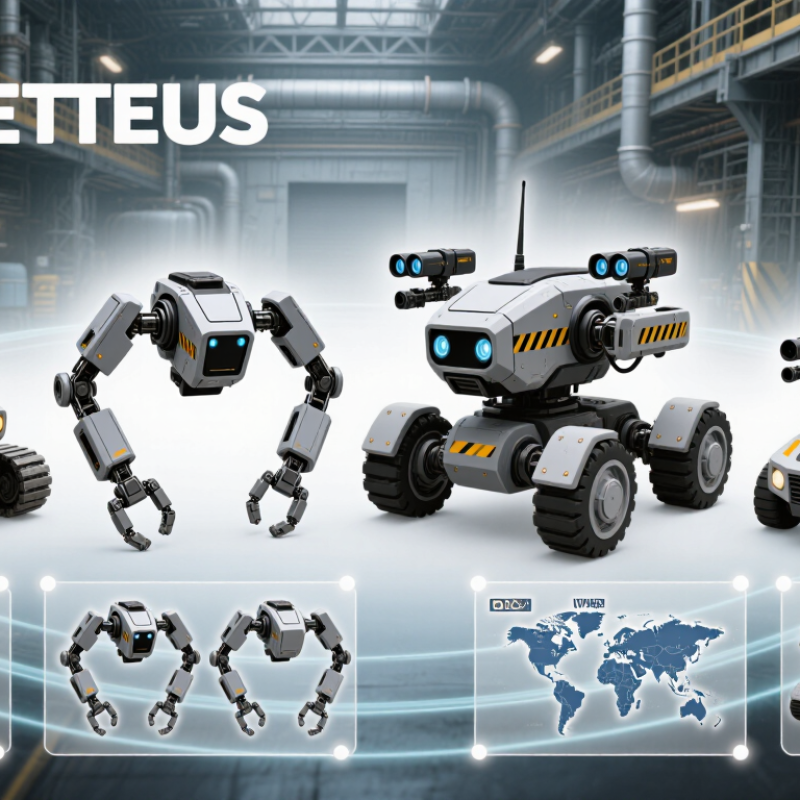
Explosion-Proof Robots: Definition, Functions, and Industrial Applications
Top Explosion Proof Robot Manufacturers Worldwide
Explosion-proof robots are industrial machines designed to operate safely in areas containing flammable gases, vapors, or combustible dust. Their protected enclosures reduce ignition risks from sparks, heat, and electrical faults. However, “explosion-proof” does not mean risk-free. Each robot must match the site’s hazardous-area classification, temperature limits, and certification requirements.
These robots support inspection, monitoring, material handling, and remote maintenance. A mobile unit may check pipelines while carrying gas sensors, thermal cameras, and ultrasonic tools. Robotic arms can handle containers inside controlled production zones. Common applications include oil and gas facilities, chemical plants, paint workshops, battery production, and pharmaceutical processing. In practice, reliable performance depends on more than the robot itself. Operators must consider communication stability, battery behavior, cleaning routines, and emergency recovery. Small oversights can create serious failures.
Tips: Confirm the required certification before purchase. Check gas, dust, and temperature classifications with a qualified safety engineer. Test the robot on realistic floors, slopes, lighting, and wireless conditions. Keep inspection records detailed and current. Human supervision remains necessary, especially during unusual alarms or equipment damage. Some manufacturers offer impressive specifications, but field results may vary. A controlled pilot test is often wiser than an immediate full-site deployment.
Key Safety Standards for Explosion-Proof Robotic Systems
Explosion-proof robotic systems demand more than sealed housings and strong motors. The International Federation of Robotics reported 541,302 industrial robot installations worldwide in 2023. This expanding base increases the need for disciplined hazardous-area engineering.
IEC 60079 defines protection methods, gas groups, temperature classes, and equipment certification. ISO 80079-36 and ISO 80079-37 address non-electrical equipment, including mechanical ignition risks. In Europe, ATEX Directive 2014/34/EU supports conformity for equipment used in explosive atmospheres. In North America, NFPA 70 and NFPA 497 help classify locations and installation requirements. A robot may pass electrical tests but still fail through hot brakes, friction, static discharge, or an unsuitable cable gland. That detail is often underestimated. Certification must match the complete configuration, not only the controller or arm.
Tips: Specify the zone, gas or dust group, temperature class, and cleaning method before selecting equipment. Ask for valid certificates, enclosure ratings, purge-system testing, and maintenance instructions. Verify every accessory, including cameras, grippers, connectors, and cable tracks. Site inspections should check surface temperatures and bonding continuity. Small gaps matter. A practical weakness remains common: teams sometimes treat certification as a purchasing document instead of an operational responsibility. Review the system after software, tooling, or process changes.
Leading Explosion-Proof Robot Manufacturers Across Global Markets
Leading explosion-proof robot manufacturers serve demanding markets where a small electrical fault can create serious operational risks. Their systems support petrochemical plants, pharmaceutical facilities, grain processing sites, and underground industrial environments. Each manufacturer must adapt designs to regional certification rules, hazardous-area classifications, and customer workflows.
Reliable suppliers typically combine sealed motors, protected wiring, controlled heat generation, and corrosion-resistant housings. They also document temperature classes, ingress protection, gas or dust-group suitability, and maintenance procedures. Certification matters, but it does not replace engineering judgment. A robot approved for one zone may require different protection for another facility. Local inspectors and site engineers should verify every installation.
Field experience shows that mobility is often harder than laboratory testing. A robot may cross uneven flooring, pass through narrow doors, and carry cameras near warm process equipment. Small details matter. Cable routing matters. Cleaning routines matter too. Manufacturers with strong technical teams offer simulation, commissioning support, operator training, and traceable service records across global markets.
However, no supplier gets every detail right. A polished specification can still overlook wheel wear, wireless interference, or emergency access. Buyers should test realistic routes, review failure data, and ask how quickly replacement parts reach their region. That practical evidence is more useful than impressive claims.
How to Compare Explosion-Proof Robot Manufacturers and Product Features
Comparing top explosion-proof robot manufacturers requires more than checking payload and reach. The International Federation of Robotics reported 541,302 industrial robot installations in 2023, increasing pressure on manufacturers to automate hazardous work safely. However, standard industrial performance does not prove explosion protection. Ask for certification under relevant IECEx or ATEX requirements, then verify the exact protection method, hazardous-zone rating, gas or dust group, and temperature class.
Look closely at the product enclosure. A sealed arm should withstand cleaning, chemicals, and fine dust, not only laboratory conditions. Check its IP rating, allowable surface temperature, cable design, purge system, and approved gripper options. ISO 10218 helps assess robot safety, but it does not replace hazardous-area certification. Reliable manufacturers provide traceable certificates, test limits, maintenance intervals, and installation drawings. Missing documents are a warning.
Performance data also needs practical testing. Compare cycle time with the intended payload, wrist torque, reach, and thermal limits. Ask for factory acceptance testing using your container, coating, or handling process. Service response matters when a sealed joint needs inspection. A low purchase price can become expensive after specialist maintenance and delayed spare parts. Field teams sometimes trust a polished datasheet too quickly. That is a mistake. Request independent evidence, inspect the robot’s certification scope, and score technical support beside mechanical performance.
Selecting the Right Explosion-Proof Robot for Hazardous Environments
Selecting the right explosion-proof robot begins with the hazard, not the product brochure. Identify gas, vapor, dust, temperature, and pressure conditions in the work area. A robot designed for one classified zone may be unsuitable elsewhere. Small details matter.
Review the manufacturer’s certifications, enclosure design, temperature rating, and maintenance procedures. Ask for test records, operating limits, and clear documentation. A sealed camera, protected motor, and low-spark construction can reduce risk, but none replaces a proper site assessment. Check payload, reach, battery duration, communication range, and recovery options. A robot that stops beside a tank is not useful.
Watch a realistic demonstration. Not a showroom dance. Observe the robot crossing wet flooring, narrow passages, and metal grating. Examine cable joints after repeated movement. Listen for unstable motor sounds. Experienced integrators also test remote control delay, video quality, and emergency shutdown performance. These details often expose weaknesses early.
Cost deserves careful judgment. A cheaper unit may require more inspections, spare parts, or operator training. However, expensive hardware is not automatically safer. I would challenge any supplier that avoids difficult questions. Standards can guide selection, yet local approval requirements still need verification. Specifications may look complete and remain confusing. Leave room for human review, because hazardous environments rarely behave like laboratory trials.