Top 10 Electrical Enclosure Manufacturers in China
Choosing an Electrical Enclosure manufacturer in China involves more than comparing prices. Buyers need to assess construction quality, materials, customization, and communication. A steel cabinet may look solid in a product photo, yet details such as door alignment, weld consistency, and coating finish matter in daily use. Small details count.
This guide introduces ten Chinese manufacturers serving different enclosure needs, from control cabinets to outdoor electrical housings. Their products may vary in material, size, protection options, and production capabilities. Some suppliers focus on standard models, while others offer drawings, cutouts, or custom dimensions. These differences can affect lead times and installation work, so confirm specifications directly before placing an order. Ask for current product documentation, sample images, and clear answers about testing and quality checks. A polished catalog is useful, but it is not a substitute for evidence.
The companies listed here are intended as a starting point, not a universal ranking. The best fit depends on your project, order volume, operating environment, and support requirements. Compare enclosure dimensions, material thickness, surface treatment, cable-entry options, and stated ingress protection. Check whether those specifications apply to the exact model you plan to purchase. Do not assume every product in a supplier’s catalog offers the same performance. Manufacturer claims should be verified against relevant technical documents and your own application requirements. That takes time. It can also prevent avoidable redesigns, delayed installation, or a cabinet that simply does not fit. Reliable sourcing is rarely effortless, and this overview cannot replace a factory assessment or technical review.
China’s Electrical Enclosure Market: Scope, Applications, and Demand Drivers
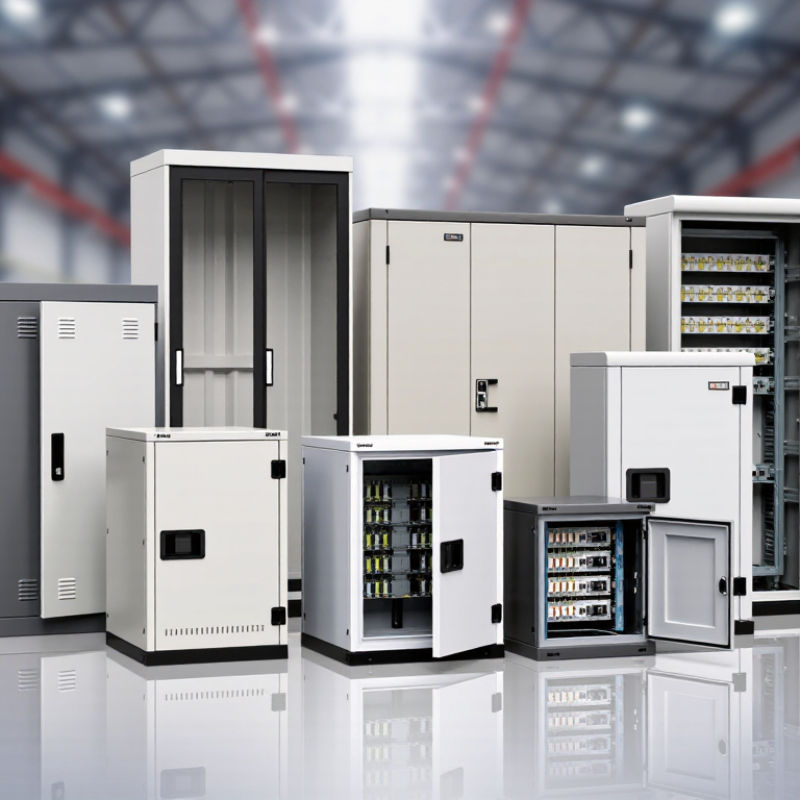
China’s electrical enclosure market covers cabinets, junction boxes, control panels, and compact terminal housings. These products protect electrical components from dust, moisture, impact, and accidental contact. They serve factories, renewable energy sites, transport systems, commercial buildings, and data facilities. Outdoor projects need more.
Demand is rising with factory automation, solar installations, battery storage, and urban infrastructure upgrades. Machine builders often require drilled cable entries, mounting plates, thermal ventilation, and fast customization. Infrastructure projects usually demand stronger sealing, corrosion resistance, and traceable materials. In field evaluations, enclosure selection often depends on IP protection, heat dissipation, installation space, and maintenance access. Designers also check applicable GB and IEC requirements before approving a cabinet.
China’s manufacturing base supports large production volumes and flexible fabrication. Buyers can compare steel, stainless steel, aluminum, and engineering plastic according to environment and budget. However, the market is not flawless. Some catalogs emphasize low price while providing limited information about coating thickness, load testing, or long-term sealing performance. That creates avoidable risk. A reliable supplier should provide drawings, material records, inspection data, and clear tolerance specifications. Small details matter, such as hinge alignment, gasket compression, grounding points, and cable gland fit. These checks may slow purchasing slightly, but they expose weak designs before installation. Demand will likely remain strong, although buyers may need better technical judgment than promotional listings suggest.
How to Assess Manufacturers: Compliance, Materials, Capacity, and Customization
Assessing China’s leading electrical enclosure manufacturers requires more than comparing catalog prices. Start with compliance evidence. Request current test reports, material certificates, and traceable inspection records. IEC 60529 defines IP protection levels, while IEC 62208 covers empty enclosures for low-voltage assemblies. NEMA 250 remains useful for enclosure performance in North America. Certificates alone are not enough. Check the tested configuration, gasket, lock, cable gland, and mounting method. A polished sample can still hide weak quality control.
Material selection should match the operating environment. Stainless steel suits corrosive areas, while powder-coated carbon steel often supports cost-sensitive indoor projects. Polycarbonate can reduce weight and resist impact. Ask for corrosion, UV, thermal, and impact test results. IEA’s Electricity 2024 report forecasts data-centre electricity demand could exceed 1,000 TWh by 2026. That growth increases the need for effective heat management and reliable protection. Ventilation, cooling plates, and filtered fans deserve careful review.
Capacity is not the same as factory size. Audit monthly output, welding fixtures, coating lines, tooling, and final inspection. Verify whether production can remain stable during peak orders. For customization, review drawings, tolerance control, prototype lead time, and change management. A useful trial order tests reality. I would measure door alignment, coating thickness, grounding continuity, and packaging damage. Some assessments overlook these details. That is a costly mistake. Manufacturers should also provide clear records for nonconforming products and corrective actions.
Top 10 Electrical Enclosure Manufacturers in China: Company Profiles
Top 10 Electrical Enclosure Manufacturers in China: Company Profiles
China’s electrical enclosure sector serves factories, energy systems, transport projects, and building automation. Grand View Research valued the global market at approximately US$6.3 billion in 2023. Its forecast indicates steady growth through 2030, supported by industrial automation and infrastructure upgrades. The ten company profiles examine production experience, material control, customization, and export reliability. These factors often matter more than catalog size.
Several profiled manufacturers specialize in carbon steel cabinets with powder-coated surfaces. Others focus on stainless steel, aluminum, or non-metallic enclosures for humid environments. Their capabilities commonly include laser cutting, CNC bending, welding, gasket installation, and surface testing. IP ratings should be verified against IEC 60529 procedures, not accepted from product photographs. That detail is easy to overlook.
MarketsandMarkets reports that smart manufacturing will increase demand for connected control equipment and protected electrical systems. The profiles therefore compare cable management, thermal control, modular mounting, and inspection records. Some manufacturers provide prototype support within days, while others perform better on large-volume orders. A low price may conceal thinner steel or weaker hinges. This deserves careful review. No ranking is flawless, because factory audits, sample testing, and after-sales response can change the final assessment. Supplier claims also need independent verification.
Comparing the Top 10: Product Ranges, Certifications, and Industries Served
China’s top 10 electrical enclosure manufacturers cover a broad product range, from compact ABS junction boxes to stainless steel floor cabinets. Most supply wall-mounted, modular, outdoor, and control enclosures. Several also offer stainless steel, painted carbon steel, aluminum, and polycarbonate options. These materials suit factories, solar installations, transport systems, and commercial buildings.
Certification depth separates experienced suppliers from basic fabricators. Strong manufacturers commonly operate under ISO 9001 quality systems and produce enclosures tested against IEC 62208. Control cabinet suppliers may support IEC 61439 assemblies, while export-oriented factories often provide UL 50E or equivalent documentation. IP ratings, such as IP65 or IP66, indicate protection from dust and water. IK ratings help assess impact resistance. However, a printed certificate does not replace checking the actual model, test report, and production date.
Industry coverage varies. Some manufacturers focus on automation panels, with gland plates, DIN rails, cooling units, and transparent doors. Others specialize in harsh environments, using welded seams, powder coatings, sunshades, and corrosion-resistant hardware. Energy, telecommunications, machinery, food processing, and infrastructure projects often require different enclosure details. Field experience suggests that hinge strength, gasket compression, drainage, and cable access deserve closer attention than appearance. This comparison is not perfect. Product names and certifications can change, so buyers should request drawings, samples, inspection records, and verified test documents before approval.
