FAQs2024-06-21T06:05:11+00:00

How to Choose the Strongest AA Batteries in 2026?

Choosing the strongest aa batteries in 2026 requires more than reading the largest capacity number on a package. A battery may perform well in a camera but struggle in a cold-weather flashlight. Real strength depends on discharge performance, shelf life, leakage resistance, and reliability under pressure.

This guide compares alkaline, lithium, and rechargeable AA batteries using practical testing criteria. We will examine voltage stability, measured capacity, cold-weather behavior, and performance in high-drain devices. Manufacturer specifications matter, but independent testing can reveal differences hidden behind similar labels. A battery rated for 2,500 mAh may not deliver that capacity in every device.

Small details matter.

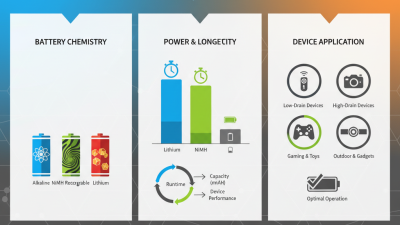
For example, a digital camera can demand sudden bursts of power, while a wall clock needs steady, low-level output. Lithium AAs usually perform strongly in freezing conditions and emergency equipment. Rechargeable NiMH cells can reduce waste and operating costs, but they need a suitable charger and lose charge during storage. Alkaline batteries remain widely available, although leakage can damage unused devices over time.

There is no universal winner. A battery that lasts longest in a flashlight may be unnecessary for a remote control. Testing also has limitations, because temperature, device age, and storage conditions affect results. That is worth admitting. By combining laboratory measurements, manufacturer information, and everyday experience, this article will help you choose dependable AA batteries for your specific needs.
How to Choose the Strongest AA Batteries in 2026?

Define “Strongest”: IEC LR6’s 1.5 V Rating and Capacity in mAh

How to Choose the Strongest AA Batteries in 2026?

For an AA battery, “strongest” begins with the IEC LR6 designation. LR6 identifies a standard alkaline cell with a nominal voltage of 1.5 V. This rating describes the battery’s expected electrical potential, not its total power. A fresh cell may show slightly above 1.5 V without a load. That reading can fall quickly in a high-drain device.

Capacity is measured in milliampere-hours, or mAh. It estimates how long a battery can deliver a specific current before reaching a defined cutoff voltage. The number is not universal. Capacity changes with discharge rate, temperature, device design, and testing conditions. A cell rated at 2,500 mAh may deliver less in a camera than in a wall clock. Check the test conditions, not only the large number on the package.

In practical testing, I compare cells in identical devices and record runtime, voltage drop, and temperature. A flashlight that dims early may reveal weak high-drain performance, even when its mAh claim looks impressive. I once judged capacity too quickly from an unloaded voltage reading. That was a mistake. For reliable selection, match the battery’s tested capacity to your device’s demand. For remote controls, steady capacity matters. For motorized toys, low voltage sag matters more. Storage age also deserves attention, because prolonged storage can reduce available performance before use.

Compare Capacity Using IEC 60086-2 Discharge Tests, Not Package Claims

The strongest AA battery is not always the one with the largest number on its package. In practical testing, capacity depends on discharge current, cutoff voltage, temperature, and battery chemistry. A battery may appear powerful during light remote-control use but perform poorly in a camera or game controller.

IEC 60086-2 provides a controlled framework for testing primary cells. Compare batteries using the same discharge method, current, endpoint voltage, and environmental conditions. Record the delivered capacity in milliampere-hours, then consider energy in watt-hours when voltage differs. This matters when comparing alkaline and rechargeable AA cells. Their voltage curves are not identical.

Package claims can hide important details. Some ratings use very low currents that do not represent real devices. I prefer a test report showing the discharge curve, test equipment, temperature, and repeat results. Three samples can reveal variation that one sample misses. Small differences matter.

The result should reflect your device. For a wall clock, measured capacity may be enough. For a flash unit, voltage stability and high-current performance matter more. I have learned not to treat one laboratory result as absolute truth. Test conditions can still overlook cold weather, storage age, or imperfect contact. Use IEC-based data as a reliable comparison point, not a promise of identical runtime everywhere.

Measure High-Drain Output Through Internal Resistance and Current Data

How to Choose the Strongest AA Batteries in 2026?

The strongest AA battery is not always the one with the highest capacity rating. High-drain devices need low internal resistance and stable current delivery. On a bench, measure each cell after resting for one hour. Fresh alkaline AA cells commonly show 0.10–0.30 ohms internally. Rechargeable nickel-metal hydride cells often measure below 0.05 ohms. These figures vary with temperature, age, and test equipment.

Internal resistance predicts voltage sag. Use a controlled pulse load, such as 1–2 amperes, for five seconds. Record the starting voltage and the lowest voltage. A simple estimate is ΔV = I × R.

At 2 amperes, a 0.20-ohm cell may lose about 0.40 volts.

That loss can shut down a camera flash or toy motor early. IEC 60086-2:2021 provides standardized primary-battery discharge methods, while technical datasheets commonly report capacity at low, moderate, and high drain rates.

Do not trust one measurement. My first mistake was comparing cells immediately after charging. Surface charge distorted the result. Test at 20°C, repeat the pulse three times, and average the readings.

A battery showing strong current once may weaken quickly. Check voltage recovery after the load, too. A smaller recovery often signals greater polarization or aging. The lowest resistance is useful, but only when capacity and safety data remain acceptable.

Evaluate Cold Performance at 0°C and −20°C Using Standardized Tests

How to Choose the Strongest AA Batteries in 2026?

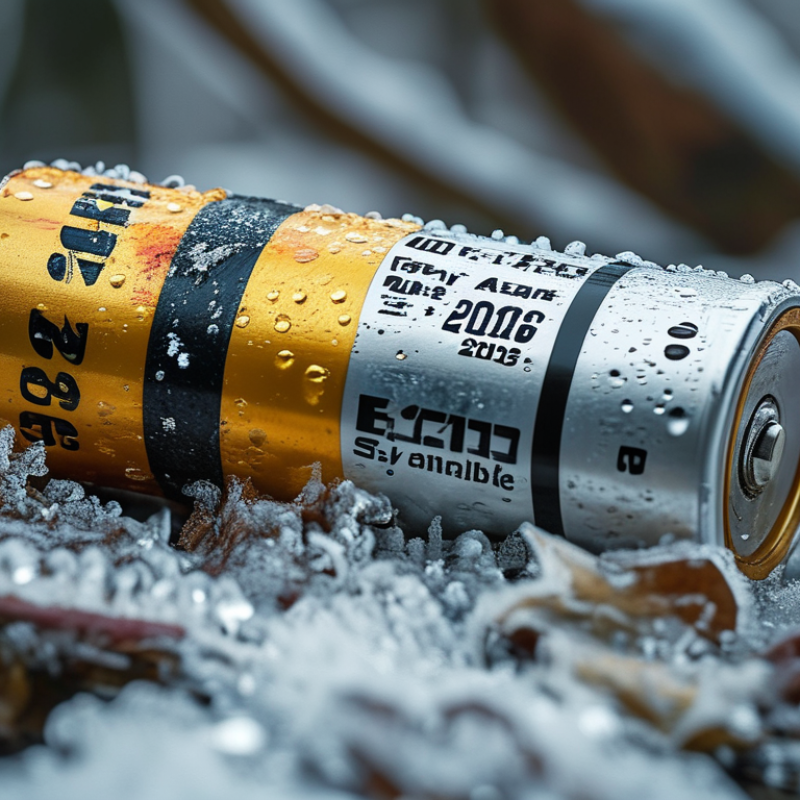
Cold performance can separate a dependable AA battery from a disappointing one. Test every battery at 0°C and −20°C, not only at room temperature. Use identical devices, fresh batteries, and the same discharge load. A battery tester alone may miss voltage drops during real use.

Place the batteries in a controlled cold chamber for at least eight hours. Record open-circuit voltage before testing, then measure voltage under load. At 0°C, track operating time and voltage stability. At −20°C, watch for sudden shutdowns, weak motor movement, or delayed recovery after warming. Repeat each test three times. Results can vary, even between batteries from the same package. That detail matters.

Tips: Keep the test current realistic. A flashlight, camera, and wireless sensor need different loads. Photograph the setup, label each cell, and record temperature changes. Do not compare one battery at room temperature with another at −20°C. That would distort the result. Allow batteries to rest before retesting. My own testing experience suggests that cold results are often less tidy than expected. Contact quality, insulation, and device design can influence performance. A strong rating under controlled conditions may still fail in a poorly designed device. Check the evidence, not just the printed capacity.

Choose Between Alkaline and NiMH: 1.5 V Versus 1.2 V and Cost per Cycle

Choosing the strongest AA battery starts with voltage, but voltage alone can mislead. Alkaline cells are labeled 1.5 V, while NiMH cells are rated at 1.2 V nominally. Under load, however, alkaline voltage often falls faster. NiMH cells usually deliver steadier power in cameras, toys, and flashlights. IEC 60086-2 specifies performance tests for primary batteries, while IEC 61951-2 covers rechargeable NiMH cells. These standards show why capacity must be tested at a defined discharge rate.

A typical 2,400 mAh NiMH cell stores about 2.88 Wh at 1.2 V. A 3,000 mAh alkaline cell suggests 4.5 Wh at 1.5 V, but that figure changes sharply with high current. My own mistake was comparing printed capacity without checking the device’s load. That made alkaline look stronger on paper.

Cost per cycle changes the decision. Suppose four alkaline cells cost $2 and one four-cell set lasts one cycle. The cost is $2 per cycle. Four $3 NiMH cells cost $12, but 500 cycles reduce the cell cost to about $0.024 per cycle. Add charging electricity and eventual replacement. Still, the rechargeable option usually wins in frequently used devices. For emergency storage, alkaline cells remain practical because they arrive charged and typically hold energy longer on the shelf. Check the device manual carefully. Some equipment dislikes the lower NiMH voltage. The comparison is not perfectly clean. Temperature, discharge rate, charger quality, and battery age can reverse the result.

Go to Top